
Mortgage file scanning and indexing services turn bulky paper loan files into digital records that staff can search quickly. Loan teams spend less time hunting through cabinets and more time moving each file forward. This guide explains how the process works and why so many lenders choose it.
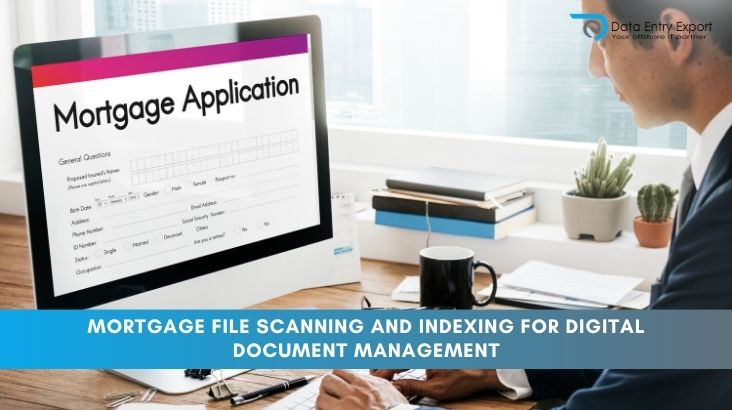
Why Digital File Management is Essential for Mortgage Lenders
A single loan file often holds a huge stack of forms, letters, and statements. Keeping that stack on paper creates daily headaches for lenders of every size. But, digital records fix most of those headaches, and the reasons are easy to see.
Finding Documents Without the Paper Chase
Picture an underwriter who needs one pay stub from a file sitting in a storage room. With mortgage document scanning, that same page opens on screen after a quick search by loan number.
Keeping Files Complete and Easy to Track
Paper pages slip out of folders, get filed in the wrong box, or simply vanish. One missing form can hold up a closing, and nobody enjoys explaining that to a borrower. Professional mortgage scanning services ensure digital copies live in one organized place, so gaps in a file show up fast. Here’s the thing about paper, it hides in places nobody thinks to check.
Protecting Private Borrower Information
Loan files carry names, income details, and account information that deserve careful handling. A digital system lets lenders control who can open each file, which a filing cabinet can’t do.
How Mortgage File Scanning and Indexing Services Work
Mortgage file scanning and indexing services follow a simple order from first prep to final delivery. Each stage has a clear job, and skipping one usually causes trouble later.
Prep Work Before Anything Gets Scanned
Someone has to remove staples, flatten folded pages, and sort the paper into order first. This dull step matters because a crooked or jammed page ruins the scan. That step takes patience, but it saves a lot of rework down the line.
Scanning Pages Into Clear Digital Images
Next, the pages go through scanners that capture each one as a digital image. Many providers add OCR, which reads the printed text so the file can be searched.
Adding Labels That Make Files Searchable
Mortgage document indexing means attaching searchable labels to each scanned file. Common labels include these:
- The loan number lets staff open the right file without sorting through others.
- The document type shows whether a page is an application, a bank statement, or a tax form.
- The borrower name and date received help staff confirm they have the correct record.
Checking the Work and Delivering Files
Quality checks come next, since a wrong label can hide a page for months. A reviewer compares each label with its page and fixes any mistakes before delivery. Mortgage indexing services also move finished files through secure transfers into a document management system. From there, the team can search, sort, and open every record.
Core Benefits of Outsourcing Document Scanning and Indexing
Many lenders hand this job to an outside team instead of doing it in-house. The reasons usually come down to cost, flexibility, and how staff spend their day.
Saving Money Without Extra Hiring
Backlog projects tend to land on desks that are already full. Outside help means lenders skip hiring and training people for a one-time cleanup. Still, the bill depends on volume, so lenders should ask for a clear quote first.
Scaling Support Up or Down
Loan volume rarely stays the same from one month to the next. With document scanning services, an outsourced team can add or reduce support as the workload changes. That flexibility helps during busy seasons, when files arrive faster than staff can handle them.
Bringing in a Team That Already Knows the Work
Experienced teams follow set processes and run quality checks, which keeps mistakes down. Because the team already knows the tools, lenders don’t need to train anyone from scratch.
Giving Staff Time Back for Borrowers
Meanwhile, loan officers and processors can spend their time on borrower questions and active loans. That matters because borrowers call with questions, and quick answers keep their trust. Mortgage file scanning projects no longer pull staff away from that work.
Conclusion
Paper loan files slow everyone down, while organized digital records keep work moving. A careful scanning and labeling process gives lenders a record they can trust and search. However, starting with the oldest files is a sensible first move for most teams.